
Blog
Next-Generation Safety in Energy Infrastructure: Wildfire Risk Mitigation with REFCL Technology

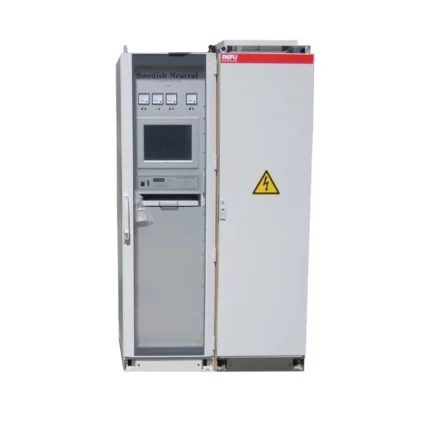
Wildfire Risk Mitigation with REFCL Technology
The increasing impacts of climate change—heatwaves, prolonged droughts, and extreme weather events—have significantly elevated the risk of wildfires worldwide. Electricity transmission and distribution networks, particularly those relying on overhead lines, are increasingly exposed to these risks. As a result, utilities are turning to advanced protection technologies that reduce ignition probability while maintaining network reliability.
One of the most effective and field-proven solutions addressing this challenge is REFCL (Rapid Earth Fault Current Limiter). REFCL technology represents a fundamental shift from conventional protection philosophies by actively suppressing earth-fault current rather than relying solely on disconnection.
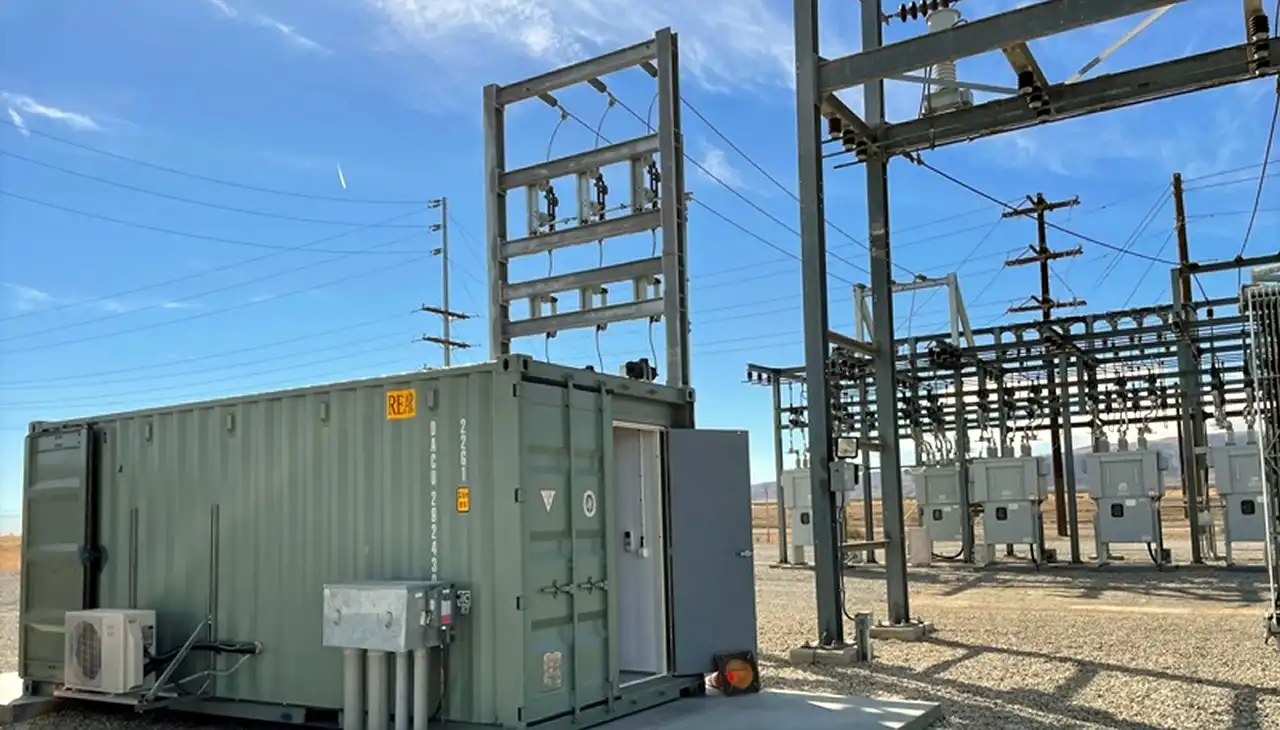
REFCL Technology: Proven Effectiveness, Globally Recognized Implementation
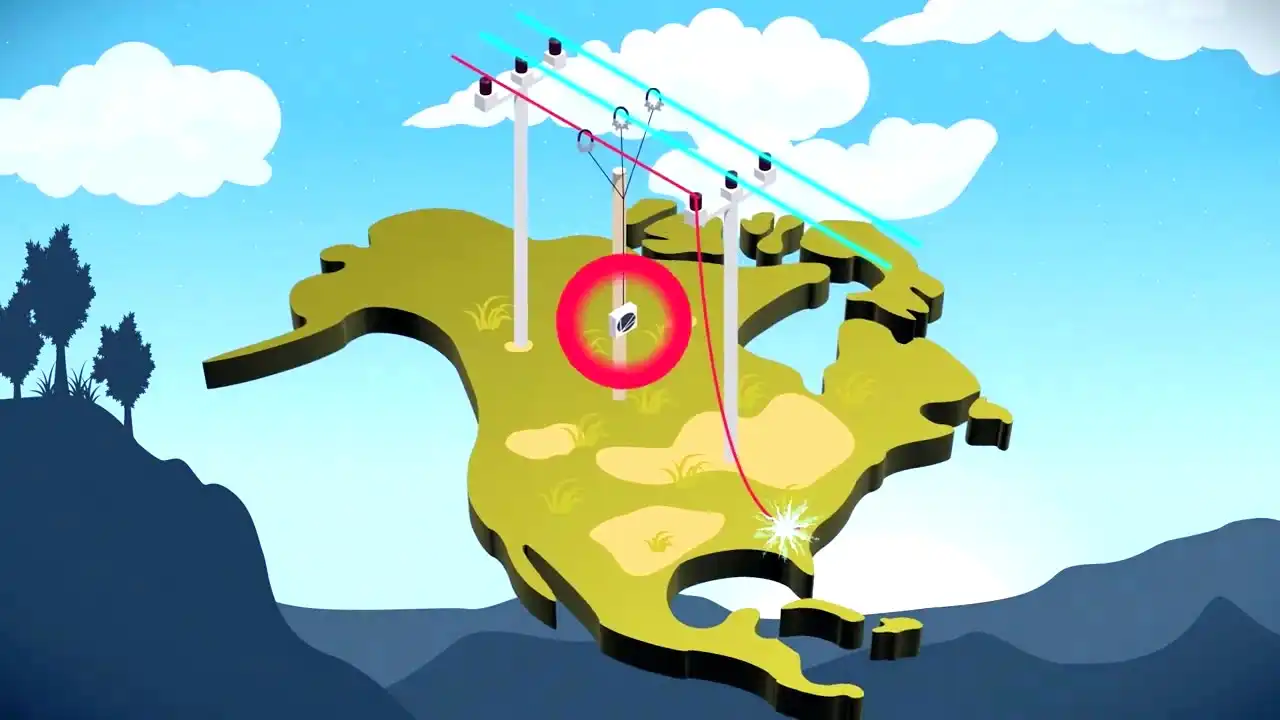
REFCL systems are widely recognized for their role in large-scale wildfire mitigation programs, most notably in Victoria, Australia. These systems are designed to respond within milliseconds to phase-to-earth faults—such as conductor contact with vegetation—by dynamically compensating the network neutral and reducing fault current to extremely low levels.
Unlike conventional protection schemes that depend on high fault current to trigger disconnection, REFCL technology suppresses the fault energy itself. This approach prevents the formation of arcs, sparks, and excessive heat, which are the primary ignition sources in wildfire incidents associated with electrical networks.
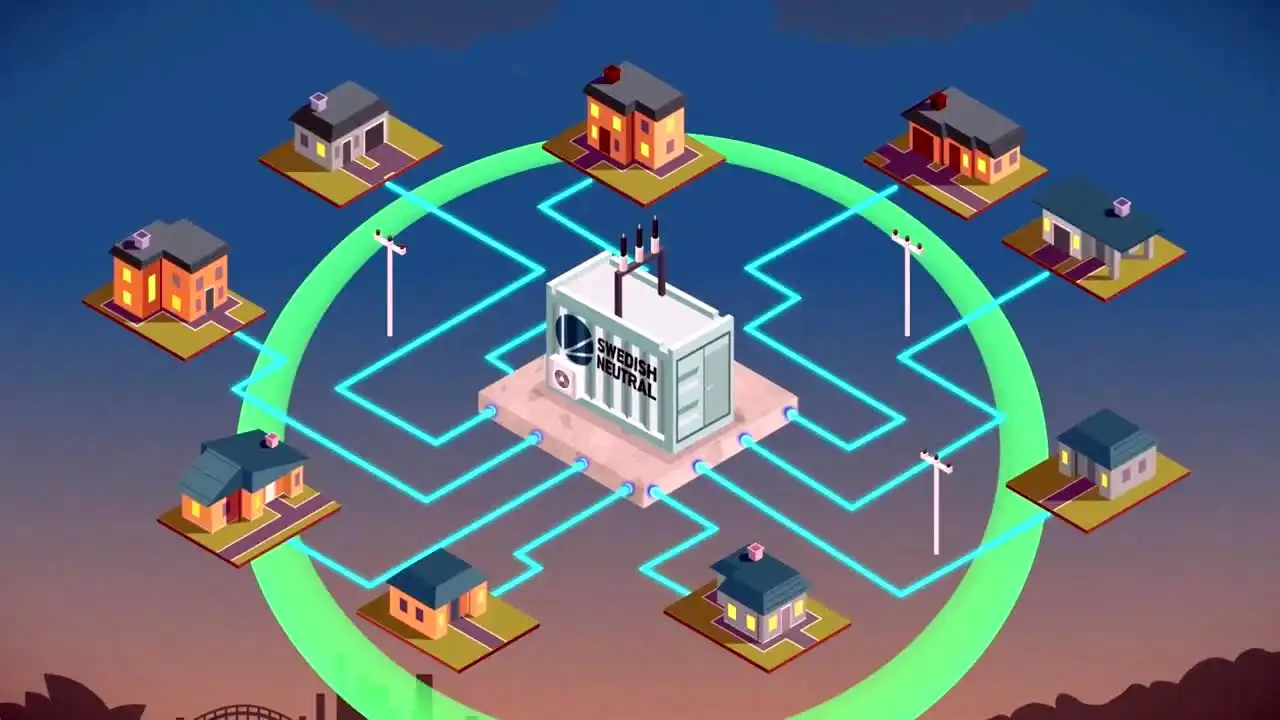
Operational and Safety Advantages of REFCL Technology
One of key advantages of REFCL technology is its ability to maintain supply continuity during transient faults. Temporary contacts with vegetation or environmental disturbances can be neutralized without interrupting customer service, while permanent faults can be cleared through coordinated protection logic.
Field experience has demonstrated the effectiveness of REFCL systems in real-world conditions. During major fire seasons, REFCL-equipped networks have recorded numerous fault events without ignition, significantly reducing wildfire risk and improving public safety.
From a technical perspective, REFCL incorporates advanced earth-fault detection and neutralization capabilities. By combining arc suppression coils with active power-electronic compensation, the system can detect extremely low-level earth faults and neutralize the faulted phase voltage before arcing can occur.
This level of sensitivity and control far exceeds that of traditional protection systems and enables utilities to operate networks more safely, even under extreme environmental conditions.
Technical Summary – REFCL
Criteria |
REFCL Performance |
| Sensitivity | Very high, detecting earth faults down to approximately 0.5 A (25kOhm and more) |
| Fault Energy | Reduced to levels insufficient to sustain arcing or ignition |
| Operating Principle | Active earth-fault current suppression and neutralization |
| Response Time | Milliseconds |
| Supply Continuity | Maintains service during earth faults |
| Application Areas | Rural overhead lines and mixed overhead/underground networks |
| Primary Benefit | Significant wildfire risk reduction |
| Global Adoption | Widely deployed in Australia and California; expanding internationally |
Conclusion: Building a Wildfire-Resilient Grid
The reviewed technical evidence clearly demonstrates that REFCL technology—also known as GFN in certain markets—provides a highly effective solution for mitigating wildfire ignition risks associated with powerlines. By actively suppressing earth-fault current and eliminating arc formation, REFCL enhances both public safety and system reliability.
For utilities facing increasing environmental and regulatory pressures, REFCL represents not only a forward-looking investment but an essential component of modern, resilient grid design. Its proven performance, operational benefits, and ability to reduce wildfire risk without compromising supply continuity establish REFCL as a benchmark technology for next-generation power networks.
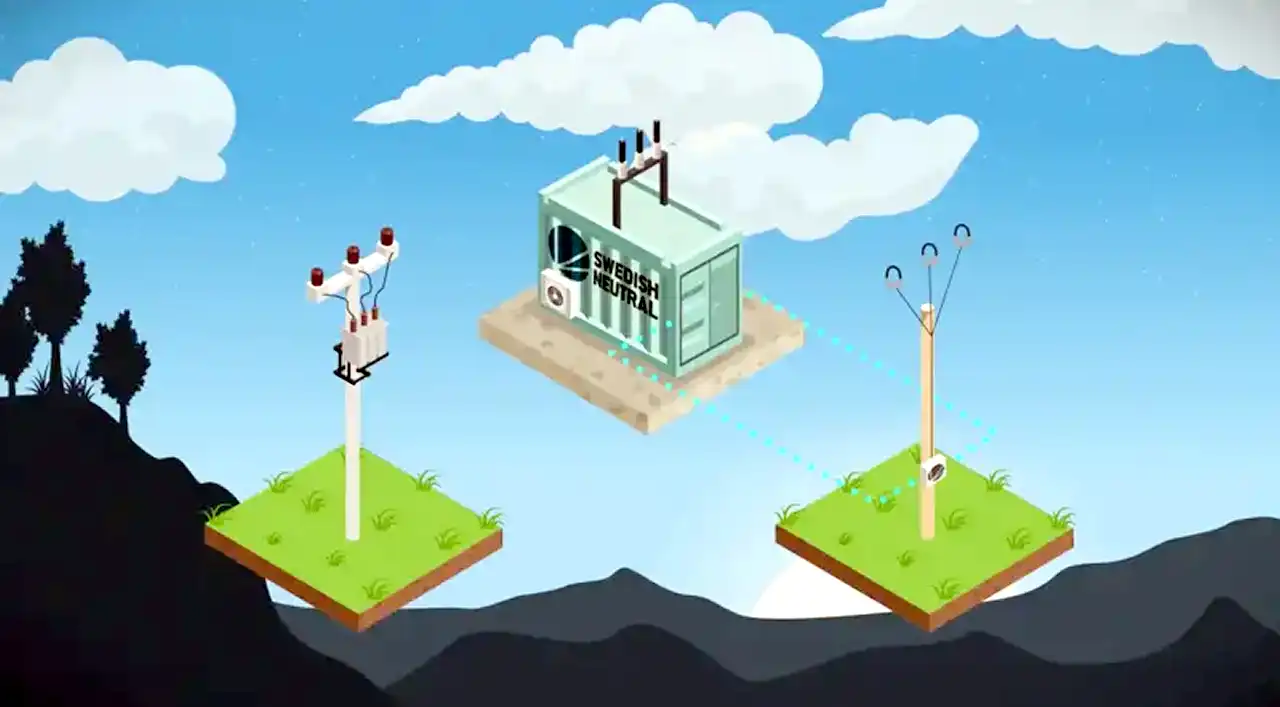
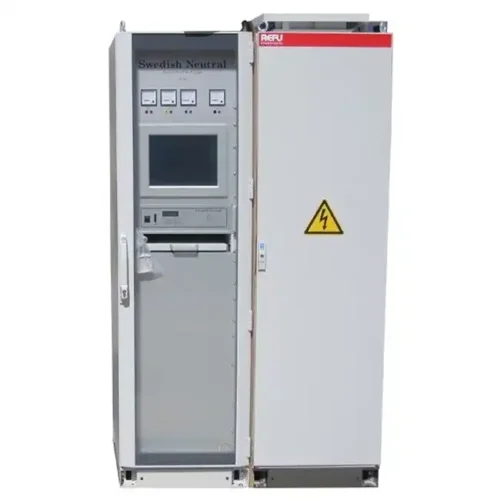
For detailed technical information about the Swedish Neutral Ground Fault Neutralization Device (GFN), please refer to the product catalog.