 TR
TR


Explosion-Proof Equipment: What You Need to Know About Ex-Proof
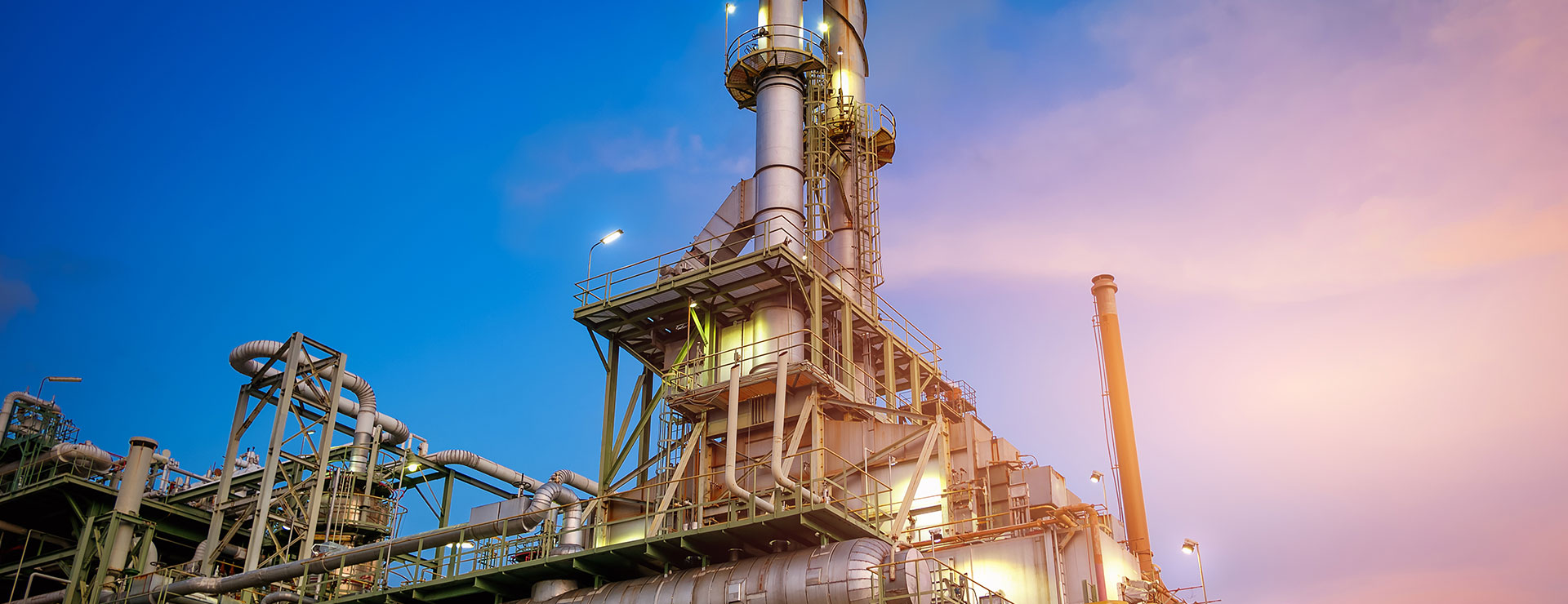
Ex-proof is an abbreviation of the term ‘Explosion Proof,’ which is translated into Turkish as ‘Flameproof’ or ‘Explosion-Resistant.’ This term refers to the design of electrical and mechanical equipment used in explosive atmospheres to prevent interaction with flammable gases, vapors, or dust in the environment that could otherwise cause an explosion.
Applications of Explosion-Proof Equipment:
- Oil and Gas Industry: Refineries, oil wells, and natural gas plants.
- Chemical Plants: Areas where flammable chemicals are produced and stored.
- Mines: Coal mines and other mining operations.
- Grain Silos and Mills: Facilities where combustible dust is present.
- Pharmaceutical and Food Industry: Locations where explosive substances are processed or stored.
Bu sektörlerde, ex-proof ekipmanların kullanımı, olası patlamaların önlenmesi ve iş güvenliğinin sağlanması açısından kritik öneme sahiptir.
Types of Explosion-Proof Equipment:
- Lighting Luminaires: Explosion-proof lighting devices specially designed for hazardous environments.
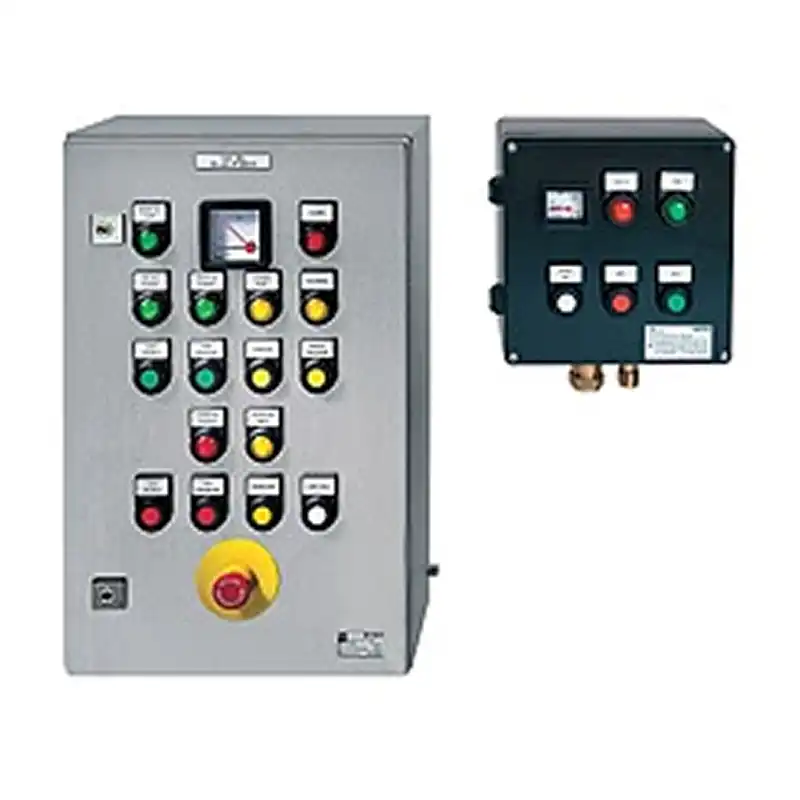
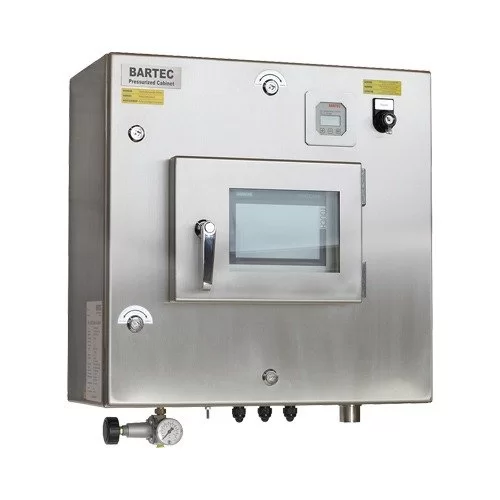
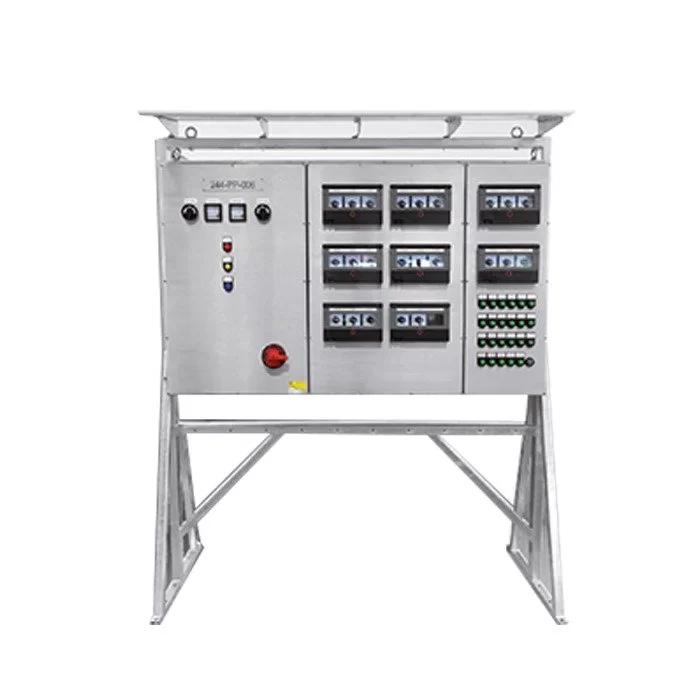
- Electrical Panels and Control Boxes: Explosion-resistant electrical distribution and control panels.
- Plugs and Sockets: Explosion-proof plugs and sockets providing safe electrical connections in hazardous areas.
- Motors and Fans: Motor and fan systems designed to operate safely in explosive atmospheres.
These types of equipment are manufactured and certified in compliance with international standards.
Standards for Explosion-Proof Equipment:
The design and manufacturing of explosion-proof equipment are subject to specific international standards. The main ones include:
-
ATEX (Atmosphères Explosibles): Defines the European Union directives related to explosive atmospheres.
-
IECEx (International Electrotechnical Commission Explosive Atmospheres): Establishes international standards for explosive atmospheres.
These standards ensure the safety and effectiveness of explosion-proof equipment.
Explosion-Proof Equipment Maintenance and Inspection: